
Homeownership brings a sense of pride and comfort, but it also comes with inevitable maintenance and repair expenses. From plumbing to roofing, each system in your house plays a critical role in safety, functionality, and value. Understanding what these repairs cost can help you plan ahead, avoid surprises, and make smarter budgeting decisions throughout the year.
Many repairs depend on your location, the size of your home, and the quality of materials you choose. Some costs can be managed through early inspections and preventive care, while others may require immediate professional attention. Below, we’ll explore ten of the most common home repairs and what you can generally expect to spend on each.
1. The True Cost of Replacing or Repairing a Roof
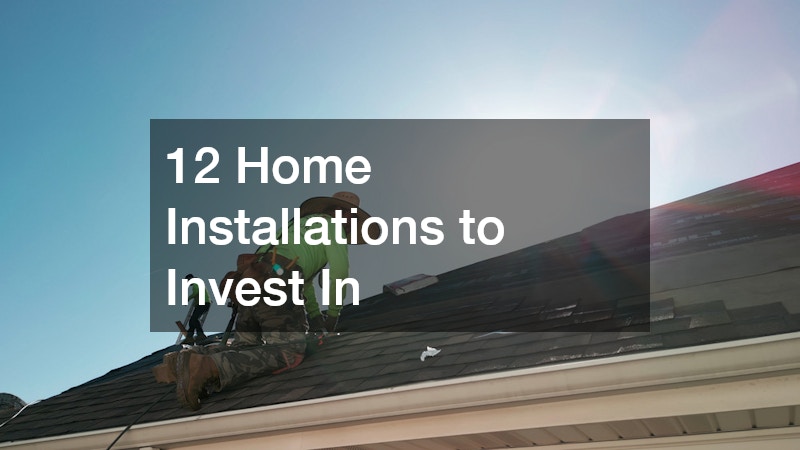
A roof is one of your home’s most important barriers against the elements. Repair costs depend heavily on the materials used, roof pitch, and local labor rates. Small leak repairs might cost a few hundred dollars, while full replacements can reach several thousand.
When working on residential roofing projects, professionals often charge by the square foot, with asphalt shingles on the lower end and premium materials like metal or slate costing more. Investing in regular maintenance extends the life of your roof and protects your property from interior damage due to moisture or rot.
2. When You Need Specialized Slate Roof Work
If your home features natural stone roofing, repair expenses can be notably higher. Slate roofs are prized for their longevity and classic beauty, but even a single cracked tile requires precision work. Labor costs are typically higher because not every contractor has the necessary experience.
Hiring slate roof specialists ensures your investment is handled properly. These experts can source matching tiles, use correct fasteners, and maintain the roof’s structural integrity. While their rates can be steeper, the results often preserve your roof for decades longer than standard materials would allow.
3. How Much It Costs to Fix Foundation Problems
Your foundation keeps the entire structure stable, so cracks, uneven floors, or moisture intrusion must be addressed quickly. Foundation repair costs can range dramatically depending on severity, soil conditions, and the chosen repair method. Minor crack injections are relatively affordable, while major stabilization projects can cost several thousand dollars.
Professional foundation repair services typically perform detailed inspections before quoting a price. They assess drainage, load-bearing capacity, and material integrity to design a customized solution. Although foundation work can be expensive, it’s one of the most critical investments you’ll make in maintaining your home’s long-term safety.
4. The Expense of Plumbing Repairs and Replacements
Water issues can escalate quickly if ignored. Whether it’s a dripping faucet, a burst pipe, or a clogged main line, plumbing costs vary depending on the problem’s location and complexity. Simple fixes can be modestly priced, while extensive replacements often involve drywall removal or trenching.
Licensed professionals offering plumbing services charge hourly or by project, and their expertise can prevent far greater damage from leaks or water contamination. Routine inspections, especially in older homes, can reduce emergency calls and give you peace of mind that your water systems are functioning efficiently.
5. What to Expect When Repairing or Replacing a Water Heater
Hot water is essential for daily comfort, and a failing heater can quickly become a priority issue. Replacing heating elements or thermostats is relatively low-cost, while a full tank replacement or tankless upgrade is more significant. Energy efficiency ratings and warranty options also influence pricing.
Working with a trusted local water heater service ensures safe installation and compliance with plumbing codes. Technicians can help you choose the right size and model for your household’s usage. By selecting an energy-efficient system, you may also save on monthly utility costs over time.
6. The Cost Range for Driveway Repair or Replacement
Driveways endure constant exposure to vehicles, weather, and time. Repairing cracks or resurfacing can delay full replacement for several years. However, when the surface becomes uneven or deteriorated, complete replacement may be necessary. Prices depend on material choice and square footage.
Many homeowners choose asphalt driveways because they’re durable, cost-effective, and relatively quick to install. Maintenance typically includes sealing every few years to prevent cracking and fading. While concrete and pavers are also popular, asphalt offers one of the best balances between longevity and affordability for most properties.
7. Updating or Repairing Fences Around Your Property
Fencing contributes to both aesthetics and security, but exposure to weather can cause warping, rusting, or breakage. Repairing small sections is generally inexpensive, though full replacements vary by material type. Wood, vinyl, aluminum, and wrought iron all come with distinct price points and maintenance requirements.
Partnering with a reliable fencing company helps ensure accurate measurements, proper post installation, and consistent quality across your property. They can recommend suitable materials for your local climate and provide repair estimates based on existing fence condition. Strong, well-built fences enhance privacy and property value alike.
8. Fixing and Maintaining Your Garage Door System
A faulty garage door can be more than inconvenient—it can pose safety risks. Common issues include broken springs, damaged tracks, or motor failure. Minor adjustments may only cost a small amount, but replacing mechanical parts or entire systems can increase the total.
Modern garage door openers are designed with improved safety features, remote access, and quieter operation. Upgrading or repairing them ensures secure entry and smooth function. Professional technicians can assess wear, lubricate moving parts, and verify that your system complies with safety standards before completing the repair.
9. Repair Costs for Decorative and Entry Doors
Your home’s entryway plays a key role in energy efficiency and curb appeal. Over time, doors may warp, rust, or lose their seal, leading to higher heating and cooling costs. Basic repairs might involve weather stripping or hinge adjustments, while total replacement can be an investment in aesthetics and security.
Homeowners who choose custom iron doors often pay more upfront, but they gain lasting durability and striking appearance. These doors resist warping and provide excellent protection against intrusions. Over the long run, they can enhance resale appeal and reduce the frequency of maintenance needs.
10. Concrete Repairs and Structural Improvements
Cracked patios, uneven walkways, or crumbling steps are both safety hazards and visual eyesores. The cost of repairing concrete depends on the damage depth and whether reinforcement or resurfacing is needed. Minor patching is affordable, while full replacement or re-pouring projects require more materials and labor.
Hiring a reputable local concrete company ensures correct mixing ratios, surface preparation, and finishing techniques. Skilled crews can restore the appearance and stability of your outdoor spaces while minimizing future cracking. Quality concrete work adds long-term value and keeps your property safe for everyday use.
Balancing Repair Costs With Preventive Maintenance
Understanding what these repairs cost is only part of the equation—preventive maintenance can save thousands over time. Scheduling annual inspections for plumbing, roofing, and foundation systems helps detect small problems early. Cleaning gutters, sealing driveways, and lubricating mechanical parts reduce wear before it becomes costly.
Maintaining garage door openers and similar mechanical systems is especially cost-effective. A few minutes of cleaning and tightening hardware can prevent expensive malfunctions. Creating a home maintenance calendar ensures no area is overlooked and allows you to spread repair costs evenly throughout the year.
The Value of Working With Trusted Contractors
While it can be tempting to handle repairs yourself, some projects demand professional expertise. Certified contractors are trained to identify structural risks, code violations, and hidden damage. They also carry insurance, providing protection if something goes wrong during the job.
Partnering with qualified providers like slate roof specialists, a fencing company, or a local concrete company can give you confidence that each task is performed to standard. Collecting multiple quotes and checking references ensures you get fair pricing without sacrificing quality or safety.
Understanding Long-Term Cost Versus Immediate Expense
Certain repairs may seem expensive initially but deliver substantial savings over time. For example, a new water heater with a higher energy-efficiency rating can lower your monthly utility bills. Similarly, investing in durable roofing materials minimizes frequent patchwork and improves resale potential.
Evaluating total ownership cost rather than upfront expense helps prioritize spending. Local water heater service technicians and residential roofing contractors can help you calculate the life-cycle value of different systems. A balanced approach between quality and cost usually results in fewer repairs and better long-term comfort.
Small Repairs That Make a Big Difference
Not every repair needs a large budget to create noticeable results. Fixing loose fence boards, sealing driveway cracks, or tightening garage door components can all improve safety and curb appeal. Taking the time to address these minor issues prevents more expensive work later.
Even simple updates—like painting custom iron doors or sealing small concrete gaps—can keep your home looking fresh and reduce deterioration. Consistency is key. A schedule that prioritizes small repairs keeps larger, costlier issues from developing over time and extends the life of major systems.
How Seasonal Factors Affect Home Repair Costs
Weather conditions can significantly influence repair pricing. Roofing and exterior work often cost more during peak summer or storm seasons when demand is high. Conversely, scheduling during off-peak months might offer lower rates or shorter wait times.
Driveway resurfacing, fencing, and foundation repair services are particularly sensitive to temperature and moisture levels. Working with experienced contractors ensures materials cure properly and installations remain durable through seasonal changes. Asking for advice on timing can optimize both quality and affordability.
Why Professional Equipment and Materials Matter
A major factor in repair cost is the quality of tools and materials used. Professional contractors have access to industrial-grade equipment and premium supplies that outperform consumer-grade options. Though this increases initial estimates, it leads to stronger and longer-lasting results.
For example, garage door openers installed by certified technicians use higher-torque motors and secure brackets. Similarly, asphalt driveways completed by professionals benefit from precise compaction and sealing techniques. These improvements translate into better value and less frequent maintenance needs for homeowners.
Evaluating Quotes and Estimates Accurately
When comparing bids from contractors, pay close attention to what each estimate includes. The lowest price isn’t always the best deal if it excludes cleanup, warranty, or disposal fees. Transparent contractors will break down materials, labor, and timelines in detail.
If you’re reviewing quotes for residential roofing or foundation repair services, ask about material grades and installation methods. For plumbing or concrete work, confirm whether permits and inspections are part of the total. Clear communication early in the process prevents hidden costs from appearing later.
Planning Ahead for Major Home Expenses
Creating a home maintenance budget helps reduce stress when unexpected repairs arise. Many financial advisors recommend setting aside one percent of your home’s value annually for maintenance. This proactive approach prevents large expenses from derailing your finances.
Including predictable replacements—like water heaters, asphalt driveways, or garage door systems—within that budget gives you a roadmap for the next decade. A little foresight goes a long way. By planning early, you can address issues gradually and maintain your home’s comfort and safety without financial surprises.
Comparing Repair Costs to Home Value
Certain repairs directly affect resale appeal and market value. Buyers often prioritize homes with updated plumbing, sound foundations, and visually appealing exteriors. Even if you’re not planning to sell soon, strategic repairs protect your investment and preserve equity.
Slate roof specialists, fencing installers, and other professionals can recommend which updates deliver the best return. In most cases, curb appeal improvements and structural reinforcements yield strong value. Maintaining major systems demonstrates pride of ownership and reassures future buyers about the home’s condition.
The Connection Between Safety and Maintenance
Beyond aesthetics and value, timely repairs protect your household’s well-being. Faulty wiring, damaged roofs, or unstable foundations can create hazards that compromise safety. Ignoring these issues often results in higher long-term costs and potential insurance complications.
Regular inspections of plumbing, concrete, and garage door mechanisms prevent accidents. Local water heater service providers can also ensure temperature controls function correctly, reducing scalding risks. Every preventive action you take contributes to a safer, more comfortable living environment for your family.
How Energy Efficiency Impacts Repair Choices
Upgrading outdated systems can reduce both repair frequency and utility bills. For example, replacing an old water heater or installing insulated garage doors can improve overall efficiency. These investments may qualify for rebates or lower energy consumption over time.
Consulting contractors about efficiency ratings before committing to new materials or systems is smart. Local concrete company teams can recommend reflective coatings, while residential roofing experts may suggest energy-saving shingles. These improvements benefit both your budget and your environmental footprint.
Recognizing When to Repair Versus Replace
Deciding between repair and replacement depends on age, damage extent, and long-term value. Sometimes, patching a system only delays the inevitable and increases costs later. For instance, fixing minor leaks in outdated plumbing might be cheaper now, but if the pipes are deteriorating, replacement could be more practical.
Professionals offering foundation repair services or slate roof maintenance can provide honest assessments about expected lifespan. They’ll help you determine when continued repairs make sense and when investing in full replacement is the smarter financial decision for your property.
Long-Term Savings Through Preventive Planning
The best way to manage repair costs is by anticipating them. Routine cleaning, seasonal checkups, and small updates all prevent costly damage. Even dedicating one weekend each month to maintenance tasks can significantly reduce total expenses over the years.
Work with reliable providers like a local concrete company, fencing installers, or plumbing technicians to build a recurring maintenance plan. Their practical experience helps identify weak points before they fail. With consistent attention, your home will remain strong, efficient, and valuable well into the future.
Owning a home means balancing comfort with responsibility. Understanding the average costs of repairs—whether for roofing, plumbing, or structural work—helps you stay prepared and confident when issues arise. Each system plays an essential role in protecting your investment and maintaining daily convenience.
By partnering with trustworthy professionals, budgeting proactively, and performing regular upkeep, you can minimize unexpected expenses and extend your home’s lifespan. Awareness and prevention are your most effective tools in managing repair costs while keeping your property in excellent condition for years to come.