
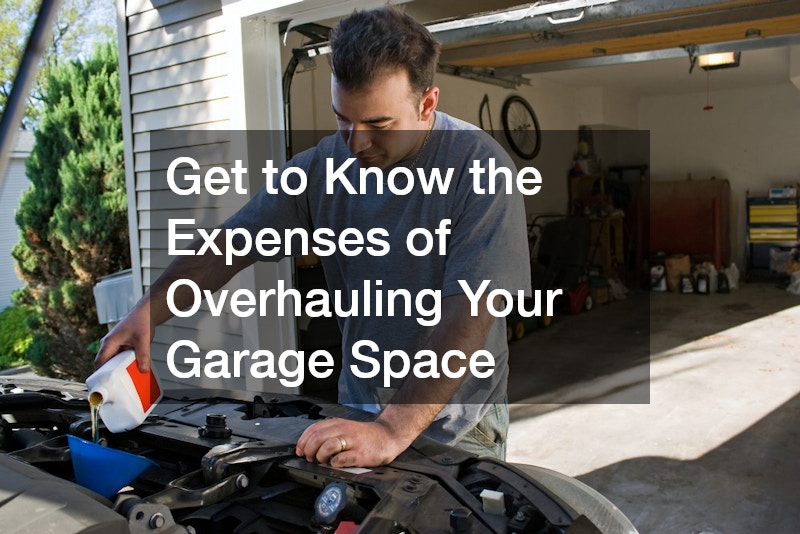
A garage overhaul can look simple from the driveway, but costs add up quickly. Many homeowners start with a broad idea of wanting a cleaner, more useful space, then realize that doors, storage, finishes, and utility needs all compete for the same budget. A better starting point is to understand how each category affects the final number before any work begins.
That approach helps you separate must-have improvements from upgrades that can wait. It also makes it easier to avoid overspending in one area while neglecting another that has a bigger effect on function. When you break the project into practical cost groups, the budget becomes easier to control and the finished space is more likely to feel balanced.
Start With The Condition You Already Have
The first expense question is not what you want to add. It is what you are starting with right now. A garage with cracked concrete, moisture issues, sagging storage, and an aging door system will demand a different budget than one that only needs cosmetic improvement. Taking inventory early keeps the project grounded in actual conditions.
For some homes, the first numbers to research involve local garage door services because the door is one of the largest moving parts attached to the house. If it is noisy, unbalanced, dented, or unreliable, that condition can influence both safety and the look of the entire garage. Even if you are focused on storage or finishes, the door may belong in the first round of spending.
The floor also reveals likely costs. Surface stains, pitting, moisture marks, and cracks can change which finish options make sense and how much prep work will be required before anything decorative is installed. The rougher the slab condition, the more likely it is that material and labor costs will rise before the garage starts looking noticeably different.
Decide Whether The Floor Is A Cosmetic Upgrade Or A Functional One

Floor improvements are often priced as style upgrades, but they also affect how easy the garage is to clean and maintain. A bare slab can keep trapping dust, absorbing spills, and showing every mark from tires, tools, and storage movement. If the goal is to make the space feel finished and easier to use, the floor deserves more than an afterthought line in the budget.
That is why many homeowners compare garage floor coatings early in the planning stage. These systems vary in price depending on prep, moisture conditions, durability goals, and finish expectations. A lower-cost finish may seem appealing at first, but the long-term value changes if it wears unevenly or needs attention sooner than expected.
This category becomes more expensive when the slab is damaged or the timeline is rushed. Prep work can include cleaning, grinding, crack filling, and moisture testing before a finish is even applied. Those hidden steps often shape the difference between a modest upgrade and a more serious investment.
Look Closely At The Door System
Homeowners often focus on the visible panels and forget the rest of the door system that affects performance. Tracks, rollers, openers, seals, and tension parts all influence how the garage behaves every day. If the door is loud, uneven, or unreliable, spending on interior upgrades first can make the project feel incomplete.
In some cases, aging residential garage doors become a cost decision rather than a maintenance decision. An older door may still open and close, but poor insulation, dated materials, or visible wear can hold back the overhaul. When the garage is being improved as part of a broader home update, the door often becomes part of the appearance budget as much as the repair budget.
Hardware costs can also shift the plan quickly. Worn or stressed local garage door springs may seem like a minor line item, but they affect safety and operation in a major way. When those components are close to failure, it is hard to justify spending heavily on cosmetic improvements before the basic movement of the door feels dependable again.
Separate Repair Costs From Replacement Costs

One of the easiest budgeting mistakes is blending repair and replacement into the same mental bucket. A project starts with the idea of fixing a few things, but then a full replacement begins to look more sensible once labor, age, and future reliability are considered together. That is why a garage overhaul benefits from comparing short-term fixes with long-term value.
Basic door repair work can cover balancing, track adjustments, opener checks, seal replacement, or limited hardware work. Those costs can be reasonable if the main structure of the door is still in solid shape. Repair spending tends to work best when it extends the life of the door without locking you into repeated calls for the same issues.
The math changes when panels are damaged, insulation is poor, or parts are becoming harder to source. At that point, garage door replacements may provide a cleaner long-term answer even if the upfront price is higher. The right choice depends on age, condition, and how important appearance, quiet performance, and thermal control are to the overall garage plan.
Price Storage As Part Of Daily Function
Storage can either support the overhaul or quietly derail it. Many garages are frustrating not because they lack square footage, but because they lack a layout that matches how the household actually uses the space. Budgeting for organization means looking beyond temporary bins and thinking about how tools, seasonal items, and household overflow will be stored.
Custom cabinets can raise the total investment quickly, especially when homeowners want a polished, built-in look that turns the garage into an extension of the home. The cost will vary with size, material, finish, and whether the design needs to work around plumbing, electrical, or odd wall conditions. Even so, good storage can change how usable the garage feels every single day.
There is also a middle ground between high-end millwork and plastic shelving. Modular systems, wall-mounted racks, and simpler enclosed units can create order without pushing the budget to its limit. Choose storage based on actual use patterns instead of buying more containers and hoping the room becomes easier to manage.
Think About Surface Finishes Beyond The Floor
Once the layout is under control, wall and ceiling finishes start affecting how finished the garage feels. Bare drywall, old patchwork, stains, and mismatched repairs can keep the space looking temporary even after major improvements are complete. Finishes are easy to underrate because they are not always urgent, but they influence how polished the final result feels.
That is one reason some homeowners factor in a painting company after larger repair and prep work are complete. Fresh paint can brighten the garage, make storage systems look more intentional, and help the room feel less like an unfinished utility zone. The final price will depend on how much repair, cleaning, and priming is needed first.
The key is sequencing. Painting too early can lead to scuffs and touch-ups once shelving, floor work, or equipment installation starts. Pricing the finish stage correctly means allowing room for prep and protection, since a garage overhaul usually involves more surface abuse during construction than a standard interior refresh.
Consider Utility And Appliance-Related Costs
Not every garage upgrade is about appearance. In many homes, the garage also supports refrigerators, freezers, laundry equipment, water heaters, or other utility needs that influence the scope of the project. Once those items are part of the plan, the budget may need to account for access, clearance, ventilation, and repair needs that go beyond decor.
That can include appliance services when older units need to be moved, checked, reconnected, or evaluated as part of the overhaul. A garage refrigerator that barely works, or a laundry setup that is awkwardly placed, can change whether the project feels successful once it is complete. Functional improvements often have more lasting value than one more decorative detail.
These costs are easy to overlook because they do not always appear in the first design conversation. But if the garage needs to serve as both a utility space and a cleaner everyday extension of the house, those practical expenses deserve their own place in the budget from the beginning.
Budget For Durability, Not Just Appearance
A garage can look dramatically better after one round of upgrades, but the real question is how well those upgrades hold up. Surfaces in this part of the house deal with vehicle traffic, storage movement, chemicals, water, temperature swings, and repeated impact. A low initial price can become less attractive if the materials start showing wear quickly.
That is why epoxy garage flooring often enters the conversation as a durability choice rather than a purely decorative one. The price can be higher than simpler finishes, especially when surface prep is extensive, but many homeowners see value in a floor that is easier to clean and more resistant to abuse. Whether that premium makes sense depends on how hard the garage will be used.
This is also the point where it helps to compare expected lifespan with maintenance demands. A cheaper option that needs frequent touch-ups may not stay cheap over time. Budgeting for durability usually means asking what the space needs to handle over the next several years, not just what looks good on the day the project ends.
Build In Room For Follow-Up Decisions
Most garage overhauls uncover at least one cost category that was not obvious at the start. Once the room is emptied, you may notice hidden damage, awkward wiring, old hardware, or layout problems that were easy to ignore when everything was packed in. Keeping a reserve in the budget reduces the chance that one surprise derails the entire project.
A second round of estimates for local garage door services can be useful at this stage if the original plan was based on a quick visual inspection. Once the garage is cleared and the full system is easier to access, the scope may change. A small adjustment early can be less disruptive than a bigger correction after finishes are underway.
The same principle applies to the floor. If prep reveals more cracking, staining, or moisture than expected, some garage floor coatings may move up or down in price depending on the added labor required. A project contingency is not wasted money. It is what allows better decisions when the garage finally reveals its real condition.
Compare Lifestyle Value With Resale Value
Not every garage expense should be judged by resale potential alone. Some upgrades matter because they improve daily routines and make the space easier to use. If the garage functions as a workshop, gym, storage hub, or utility room, the practical value of certain investments may matter more than whether a future buyer notices every detail.
For example, residential garage doors can influence curb appeal and energy performance in ways that go beyond the inside of the room. A better door may support both everyday comfort and the exterior look of the house, which gives it a broader value than a purely internal upgrade. Spending decisions feel clearer when you understand which ones improve life now and which ones mainly support future marketability.
The same reasoning can apply to local garage door springs when reliability matters more than appearance. A smooth, dependable system can remove daily frustration even if no guest ever notices the upgrade. In a working garage, quality of use is often as important as visible transformation.
Plan The Project In A Smarter Sequence

Cost control is not only about what you buy. It is also about when each decision happens. Projects become more expensive when demolition is followed by changes in plan, when finishes go in before messy work is complete, or when materials have to be protected and redone because the sequence was rushed. A cleaner schedule usually leads to a cleaner budget.
Door work should not be pushed to the very end. If track alignment, opener placement, or clearance issues affect the rest of the layout, handling them too late can complicate other parts of the overhaul. Early coordination often saves more than it costs.
Replacement timing matters too. Garage door replacements can influence insulation plans, trim details, opener compatibility, and how finished the outside of the house looks once the project is done. Treating garage door replacements as part of the main sequence usually leads to fewer budget surprises.
Decide Which Finishes Truly Change The Space
Once the major costs are clearer, it becomes easier to decide which finish upgrades are worth the premium. Some homeowners want the garage to feel almost like an interior room, while others just want it cleaner and easier to maintain. There is no single right answer, but the budget works better when each upgrade is tied to a clear purpose.
Storage is a good example. More cabinets may sound appealing, but the better question is whether enclosed storage actually solves a daily problem or simply looks more finished on paper. Spending tends to feel more justified when it improves access, reduces clutter, and supports how the garage is used every week.
The same logic applies to wall color and finish level. Bringing in a painting company can transform the room visually, but not every garage needs a highly detailed, design-driven paint scope. Matching the finish level to the real function of the space helps keep the budget proportional.
Appliance-related choices also benefit from that kind of discipline. Appliance services may be worthwhile when equipment placement affects circulation, storage, or convenience, but they should be tied to a real use case rather than added automatically. The strongest budgets are not the ones that include everything. They support the right things in the right order.
Leave Yourself With A Space You Can Maintain
The last budget question is whether the finished garage will be easier to live with. A good result should reduce clutter pressure, improve access, and make routine upkeep simpler. If every upgrade looks good but makes maintenance harder, the project can feel less successful within a few months.
That is another reason epoxy garage flooring often appeals to homeowners who want a durable surface that supports easier cleanup. The value is not limited to appearance. It also comes from how the space performs after tire marks, seasonal dirt, and everyday traffic begin testing the finish.
A similar long-view mindset helps with appliance services if the garage includes equipment that needs regular access or occasional maintenance. Planning around real upkeep needs can keep the space from becoming awkward again as soon as normal routines resume.
Overhauling a garage rarely comes down to one dramatic price tag. The total cost is usually built from smaller decisions about doors, floors, storage, finishes, utility needs, and how polished the room is expected to feel at the end. When those decisions are made in the right sequence, the budget becomes easier to manage and the final result is more useful, more durable, and more satisfying to live with.